How Much Can Filter Coffee Maker Machine Experts Earn?
The Benefits of a Filter Coffee Maker Machine With the right filter coffee maker, you can enjoy a delicious and balanced cup of freshly prepared coffee. The right proportion of water to coffee as well as the correct grinding and positioning will make a huge difference. Clean water that has been filtered can help the complex flavours of the beans shine through. Learn how to make use of your filter coffee maker to get maximum flavor and responsible consumption. Selecting the Right Machine The type of coffeemaker you use will have an impact on the quality and taste of your coffee. The choice is entirely up to you, however it is worth taking a look at the various options before making your final choice. The timing of the extraction process and the temperature of the water are two of the most crucial factors that could influence the extraction process. The ideal temperature for filter coffee, for example is between 88degC and 92degC. Any lower temperature will result in insufficient extraction, while a higher temperature can cause the grounds to burn and ruin their delicate flavor. A quality coffee maker comes with a built-in thermometer to ensure the water is at the right temperature. It will also be able to keep the temperature consistent throughout the entire coffee making process. This is essential for getting a clean, crisp taste and to prevent the formation of sediment in your cup. Another thing to think about is whether you prefer reusable or disposable filters. Reusable filters, which are typically made of cloth, are more ecological friendly and can be used many times. However, they are slightly more time-consuming to wash and dry than disposable filters. Think about the amount of coffee that you will be brewing each day. If you consume more than one cup of filter coffee each day, you might need to select an option with a larger water tank. A good filter machine will have a cup-indicator on the side of the tank to prevent you from running out of water in the middle of brewing. If you are making filter coffee for the first time, it's recommended to play with different recipes before you settle on one that suits your tastes and preferences. Try experimenting with the ratio of water to coffee as well as the grind of coffee-to-water and the placements of the filter and ground beans. Once you've found the perfect blend after which you can sip a steamy cup of comforting filter coffee to get your day off with a bang! Make sure to use filtered water and store your beans in a safe way to preserve the quality and let the distinctive flavours shine through. Preparing the coffee 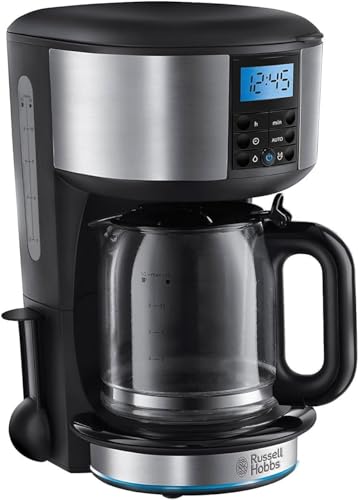 There are a lot of aspects to take into consideration when it comes to making a fantastic cup of coffee. Proper preparation is an important element of the process, as it can have significant effects on the taste and texture of your brew. This includes choosing the right ratio of coffee to water, correctly grinding the beans, and ensuring that the grounds and filter are correctly placed in the machine. A proper brewing method helps to avoid over-extraction, which can cause bitterness. Filter coffee makers are among the most popular ways to brew a cup of coffee. Easy to use, they allow you to alter the strength and taste of your coffee. They are also economical and environmentally-friendly, as they eliminate the need for disposable coffee pods or capsules. Filter coffee machines are also great for brewing large quantities of coffee at once and are an ideal choice for companies who need to serve many customers quickly. Fill the water reservoir with coffee grounds and add it to the filter basket. Then, soak the grounds by pouring water in a circular motion over them until they are completely saturated. It will take 30 seconds for the grounds to flower and allow carbon dioxide to release and improves flow of water during the brewing. Once the filters and grounds are set then turn the machine on. Press the appropriate button to begin brewing. The machine will heat the water and distribute it evenly over the ground. It will extract the flavors and aromatics through a mesh or paper filter. When the brewing process is finished, remove the grounds and put them into the carafe or cup. Enjoy your freshly made espresso! Filter coffee makers are simple to maintain and with the proper maintenance, they can last for a long time. Keep the water tank clean and filled with clean, fresh water for optimal performance. In addition, regularly clean the filter basket and brewing basket holder by washing them with hot water and soap. You should also descale your filter coffee maker every once every month by using a solution of equal parts water and white vinegar distilled. This will eliminate the minerals that may build up and cause damage to the machine. Filling the Water Tank It is crucial to fill your water tank with fresh, clean water before you use your filter coffee maker. This will ensure that your filter coffee has the right taste and is delicious. You should also try to use water that has been filtered, as this will help to reduce the amount of minerals in your coffee. These minerals can alter the taste of your coffee. A common recommendation for a coffee-to-water ratio is one part ground coffee for three parts water. But this is just a general guideline and you should play around with different ratios to find the ideal cup for you. If you're not sure of how much water to use, you can measure it using a measuring cup. Some filter coffee machines have an integrated measuring cup. This is a great way to make measurements and can save time. The kind of coffee beans you select and the grind size will also impact the taste and quality of your filter coffee. You should try to find the ideal blend of beans and grind size to suit your personal taste. It is also important to use freshly-ground coffee because coffee that has been ground prior to grinding quickly loses its aroma and flavor when exposed to the air. Once you have the perfect amount of coffee, it's time to prepare your machine to brew. The first step is to place the filter and ground coffee in the filter holder. This is a crucial step, as it will determine how good your filter coffee is. You should make sure that the coffee grounds are evenly spread out, and you should not over-use the beans. After you've placed the coffee grounds into the filter, you should put a paper or reusable filter over it. Paper filters are available in bleached and unbleached versions, and it is recommended that you choose the latter as it reduces waste and is more environmentally friendly. Some models of filter coffee makers come with a timer function which allows you to decide the time when brewing will begin. It is convenient to have a timer function on your filter coffee maker when you have to rise very early. You will wake up to the aroma of coffee being brewed. The brew cycle generally takes between four and six minutes, which is just enough time for the beans to swell and develop their complex flavors. Brewing When using a filter coffee machine it is essential to grasp the fundamentals. This includes the proportion of coffee to water and the size of the coffee-grind and the position of the filter and coffee grounds. These factors are crucial to making a great cup of filter coffee and can impact the brewing process as well as the overall taste. With these basic steps in place, you can enjoy the fresh, delicious taste of filter coffee with no hassle! First, you must prepare the water. Start by ensuring that the tank is full of clean, purified water. This will ensure your coffee is brewed using high-quality water that is rich in nutrients, and also has a more flavor. When the water is ready, weigh the amount of coffee you require and add it to the filter. Typically, you will need around 10g of ground beans per 180ml of water. This can vary based on the type of filter coffee maker you have. Ideally, you should use a coffee grinder to grind your beans fresh prior to using the filter. This will ensure that your beans are medium-sized, which is perfect for filter coffee. It can also help prevent over-brewing, which can cause your coffee to have a bitter or astringent taste. Avoid using pre-ground beans, because they could contain additives or other contaminants that could negatively impact the taste of your coffee. In the end, it's essential to pre-wette the filter before placing it in the cone of filter or jug. This will help wash away any paper flavours and also warm the filter to make it ready for the brewing process. Once you've pre-wetted the filter, fold it along the seam and place it in the cone or jug that you've used to filter it. Make sure that the grounds are evenly distributed and leveled This will ensure that all of the water is extracted during the fermentation process. When you're done brewing your filter coffee, remember to clean the brew basket and filter holder before each use. Also, it is recommended that you descale your machine at least once a month to eliminate any mineral build-up. This can be accomplished by running a cycle of equal parts water and vinegar through the machine.